Strengthen evidence base
We fund research that generates the evidence needed to improve intervention strategies and policy, addressing gaps that prevent life-saving tools from reaching the people who need them most.
We back science to deliver vaccines and treatments that make a difference where they are needed most.
Through partnerships, advocacy and championing evidence, we drive progress in neglected or stalled areas and work to ensure life-saving innovations reach the communities who need them.
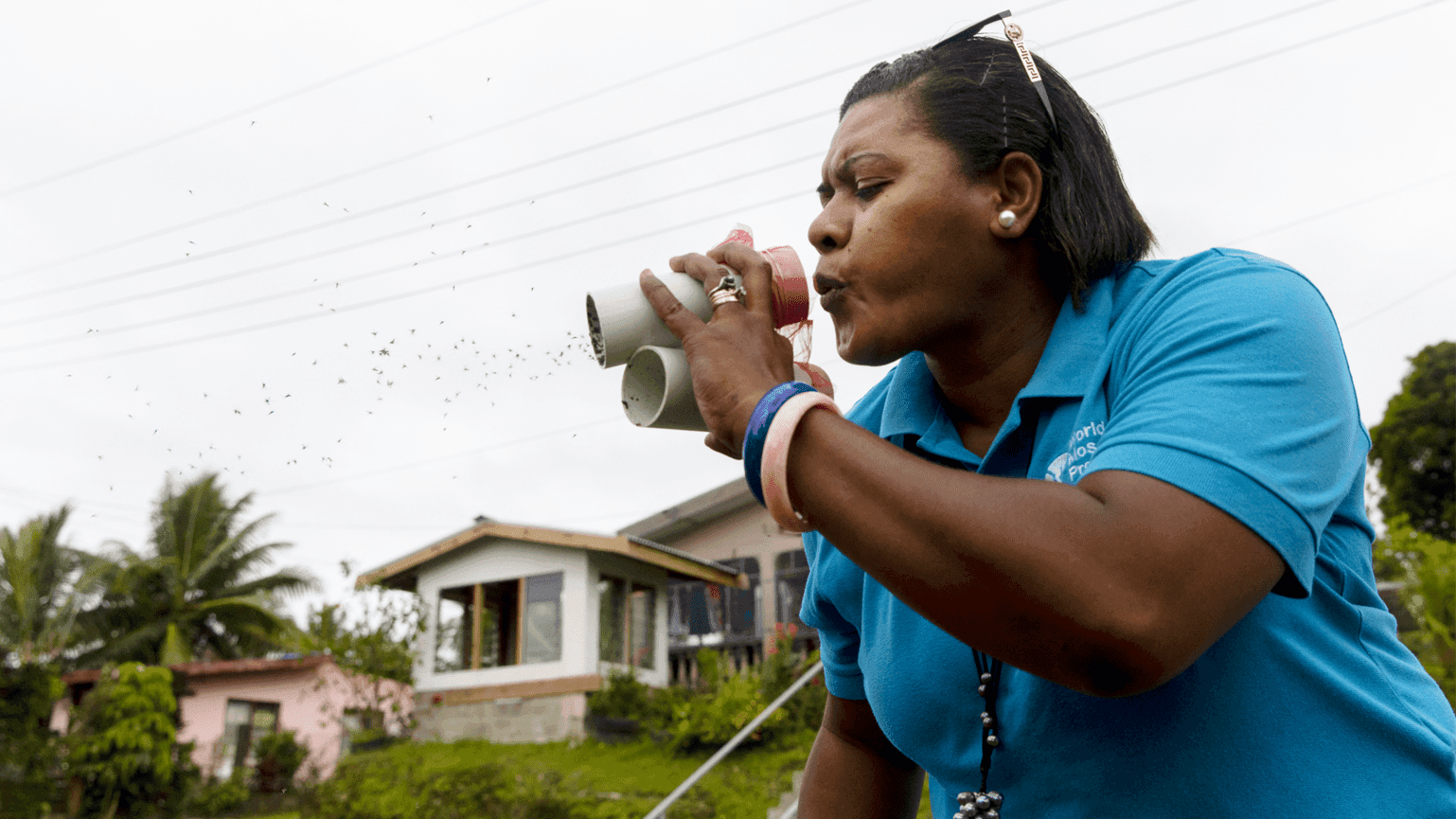
Adrienne Surprenant / Collectif Item © Wellcome
Infectious diseases are one of the biggest health challenges in the world today. They cause around 9.5 million deaths every year and disrupt daily life across society. But the impact is not equal. The world’s poorest communities face the highest rates of illness and death from infectious diseases – yet often have the least access to innovation and care. These are diseases of inequity, and drug resistance and climate change threatens to make the situation worse.
That’s why we support science to deliver vaccines and treatments that make a difference where they’re needed most – focusing on the people and places most affected and driving progress in neglected or stalled areas.
We fund research that generates the evidence needed to improve intervention strategies and policy, addressing gaps that prevent life-saving tools from reaching the people who need them most.
We advance the discovery, development and optimisation of interventions to address the pressing unmet needs in infectious disease.
We tackle barriers in research and development that slow innovation and limit access to effective interventions, while ensuring infectious disease research is protected, prioritised, and positioned for lasting impact.

We support the research and development of innovative solutions for combating infectious disease.
Our focus includes:
We focus where there is:
We ensure research considers the needs and priorities of the most affected communities, so evidence and interventions are acceptable, affordable and accessible where they are needed most.
Through partnerships, advocacy and championing evidence, we’re addressing barriers in research and development that delay innovations reaching people and making a difference.
Our Infectious Disease programme funds research to improve understanding and advance interventions to control and combat infectious diseases. You may also be interested in our Discovery Research programme which funds fields and disciplines seeking new knowledge on life, health and wellbeing, including all aspects of infectious disease.
We invite organisations to apply for contract opportunities that support our goals to accelerate vaccines and treatments, strengthen the evidence base, and overcome barriers preventing life-saving innovations from reaching the communities that need them most.
£888.3 million
awarded across to Infectious Disease research
83 countries
where researchers directly and indirectly received Infectious Disease funding
20,000 participants
enrolled in phase 3 clinical trials for the new M72 TB vaccine candidate
The Biovac Institute, South Africa
Bangladesh, Brazil, Colombia, Nepal, Peru, Thailand, United Kingdom, Vietnam
AUDA-NEPA, South Africa