


A global call to action on extreme heat and pregnancy
Extreme heat is no longer a distant threat. As temperatures rise, pregnant and postpartum women and their babies face growing risks to their health.
Evidence shows that heat exposure during pregnancy is linked to negative outcomes, such as premature birth, low birth weight, stillbirth and maternal complications. Yet many health systems remain ill-equipped to respond.

Mother and baby in South Africa
A 2026 survey of healthcare professionals
To understand how extreme heat is affecting maternal and newborn health, Wellcome commissioned a survey of 1,000 healthcare professionals working in pregnancy, childbirth, postnatal and newborn care across Australia, Brazil, India, the UK and Zimbabwe.
The findings reveal widespread concern.
- 73% reported that heat-linked cases of complications have increased over the past five years.
- 81% are concerned that, without action, extreme heat will pose a growing risk to maternal, foetal and newborn health.
- 98% had cared for a woman or baby whose health they believed had been affected by extreme heat.
- 92% want more training, guidance and resources to help protect pregnant women during pregnancy.
The impacts of heat are not felt equally
Women who cannot avoid exposure to extreme heat, because of their jobs or living conditions, often face the greatest risks.
But solutions do exist. Countries such as Zimbabwe and India are ahead on practical, affordable protections. And in many cases, women who have lived with heat the longest are leading on those solutions.
As the planet continues to heat up because of anthropogenic climate change more mothers and babies will be put at risk.
Leaders have the evidence and solutions they need – now they must act.
Connect with Julia:
Pressing play on the video above will set a third-party cookie. Please read our cookie policy for more information.
Dr Jemilah Mahmood, Executive Director for the Sunway Centre for Planetary Health.
Read our advocacy paper 'Keeping Mothers and Babies Safe from Extreme Heat: A Global Call to Action' to learn more.
Wellcome-funded projects
Pressing play on the video above will set a third-party cookie. Please read our cookie policy for more information.
Wellcome is investing over £20 million in local research to test and implement practical solutions, including:
Heat Adaptation for Pregnant Women and Infants (HAPI), Zimbabwe and South Africa
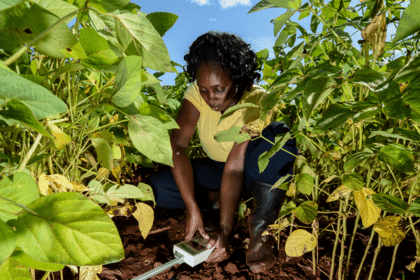
In Mount Darwin, Zimbabwe, where temperatures can soar to over 40°C, and heat affects every area of life, this community-driven study develops behavioural, structural and environmental interventions to protect pregnant women and newborns from the dangers of extreme heat. The health impacts of heat on pregnant women require further research, and the HAPI study is working to bridge that gap. It involves 1,600 women, across sites in urban Tshwane in South Africa and rural Mount Darwin in Zimbabwe. Researchers are monitoring health throughout pregnancies at the same time as tracking the impact of interventions.

video duration
Item 1 of 3
Pressing play on the videos will set a third-party cookie. Please read our cookie policy for more information. If no video is displaying you may need to be logged into a Google account to watch YouTube.

