Pregnancy in a warming world; the health risks of heat and the case for action in the UK
This report sets out the case for system‑wide reform to protect pregnant women from rising temperatures in the UK. The report reviews the evidence on heat and pregnancy, exposes policy gaps that leave people at avoidable risk and sets out targeted recommendations for a coordinated approach to ensure that maternity care is resilient for the future.
Report at a glance
- Published:
- 20 May 2026
- Strategic programme:
- What's inside:
- A review of evidence and policy gaps relating to heat and pregnancy in the UK, with recommendations for change.
- Who this is for:
- UK policymakers and technical civil servants in key government departments and agencies, including DHSC, NHS England, DEFRA and UKHSA.
- Creative commons:

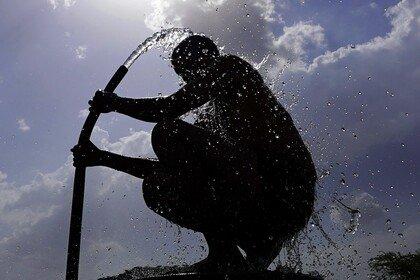
Pregnant women are already feeling the effects of rising temperatures in the UK. One teacher shared her experience in a short film developed for COP30, showing the impact of extreme heat on workers.
Credit:
Licence: All Rights ReservedAtomized Studios
Summary
Climate change is already affecting health in the UK. The 2022 heatwave, which saw temperatures exceed 40°C for the first time and contributed to an estimated 3,000 heat‑associated deaths, demonstrated both the scale of the threat and the country’s limited preparedness. While extreme heat poses risks across the population, the burden falls disproportionately on groups with heightened physiological vulnerability, including pregnant women.
Evidence linking heat exposure during pregnancy to adverse health outcomes is substantial and growing. Despite this, pregnant women are inconsistently recognised as a vulnerable group across public guidance and departmental frameworks.
A more coherent and forward‑looking policy approach is needed. Pregnancy‑related heat risks must be systematically embedded within both adverse weather planning and maternity care reform. This report recommends:
- Establishing a consistent national approach to heat‑health risk for pregnant women
- Embedding climate resilience within long‑term maternity care policy reform
With extreme heat events becoming more frequent, intense, and prolonged, the implications for maternal and neonatal health are significant. Integrating heat resilience into maternity policy and wider climate adaptation planning is essential to protect pregnant women and ensure UK health systems are prepared for a warming climate.
Recommendations
Establish a consistent national approach to heat-health risk for pregnant women
Recommendation: The Department of Health and Social Care (DHSC), working with UK Health Security Agency (UKHSA), NHS England, and relevant government departments, should ensure that there is consistency in recognising the vulnerability of pregnant women to extreme heat in both public communications and key policy frameworks. This should include:
- An urgent cross-government review of all relevant public guidance, clinical advice, and policy frameworks on extreme heat to identify inconsistencies and gaps regarding pregnant women.
- DHSC should be responsible for the mandatory inclusion of pregnant women as an at-risk group in all public health guidance on heatwaves, with clear recommendations on how to minimise risks from exposure.
- UKHSA should adopt a precautionary approach to including measures to protect pregnant women in the 2027-2028 Adverse Weather Health Plan (AWHP), accompanied by professional guidance for maternity and community healthcare providers.
- A review of existing heat thresholds and alert systems to ensure they adequately reflect the risks posed by heat exposure for clinically vulnerable populations, including pregnant women. DHSC should work with UKHSA to strengthen the response to lower heat thresholds in the AWHP to more adequately reflect the temperature ranges at which vulnerable groups, including pregnant women, experience clinically significant risks.
Embed climate resilience within long-term maternity care policy reform
Recommendation: DHSC and NHS England should embed extreme heat resilience within maternity and neonatal care reform, infrastructure planning, and service delivery.
- DHSC and NHS England should work to ensure that maternity services are equipped to manage rising temperatures and associated health impacts. Specific measures should include, but are not limited to, developing heat-specific clinical guidance for maternal and neonatal care and assessing the resilience of maternity units to heat, with a view to prioritising adapting these settings in upgrades to the NHS estate.
- The National Maternity and Neonatal Taskforce should ensure that the new national action plan for maternity care considers long-term resilience and specifically preparedness for extreme heat, in response to the evidence on risks in pregnancy and association with negative health outcomes. The plan should include concrete actions for building resilience and set out clear responsibilities for DHSC and NHS England for delivering these actions.
Conclusion
Extreme heat is an increasingly frequent feature of the UK’s climate, with serious implications for public health, healthcare infrastructure and population resilience. Pregnant women are among the most physiologically vulnerable, yet current policy and maternity frameworks do not adequately reflect the growing evidence.
Current maternity reforms offer a critical chance to ensure the future of maternity care is designed for the realities of a warming climate. Failure to act now risks building new vulnerabilities into systems already under strain. With urgent action, we can build health systems that are safer, stronger and better prepared for the future.
Downloads
Contact us
To discuss the content of this report, please contact Olivia Paine, Policy Advisor: O.Paine@wellcome.org.
For media enquiries, contact: mediaoffice@wellcome.org.
Tags

