How does extreme heat affect health?
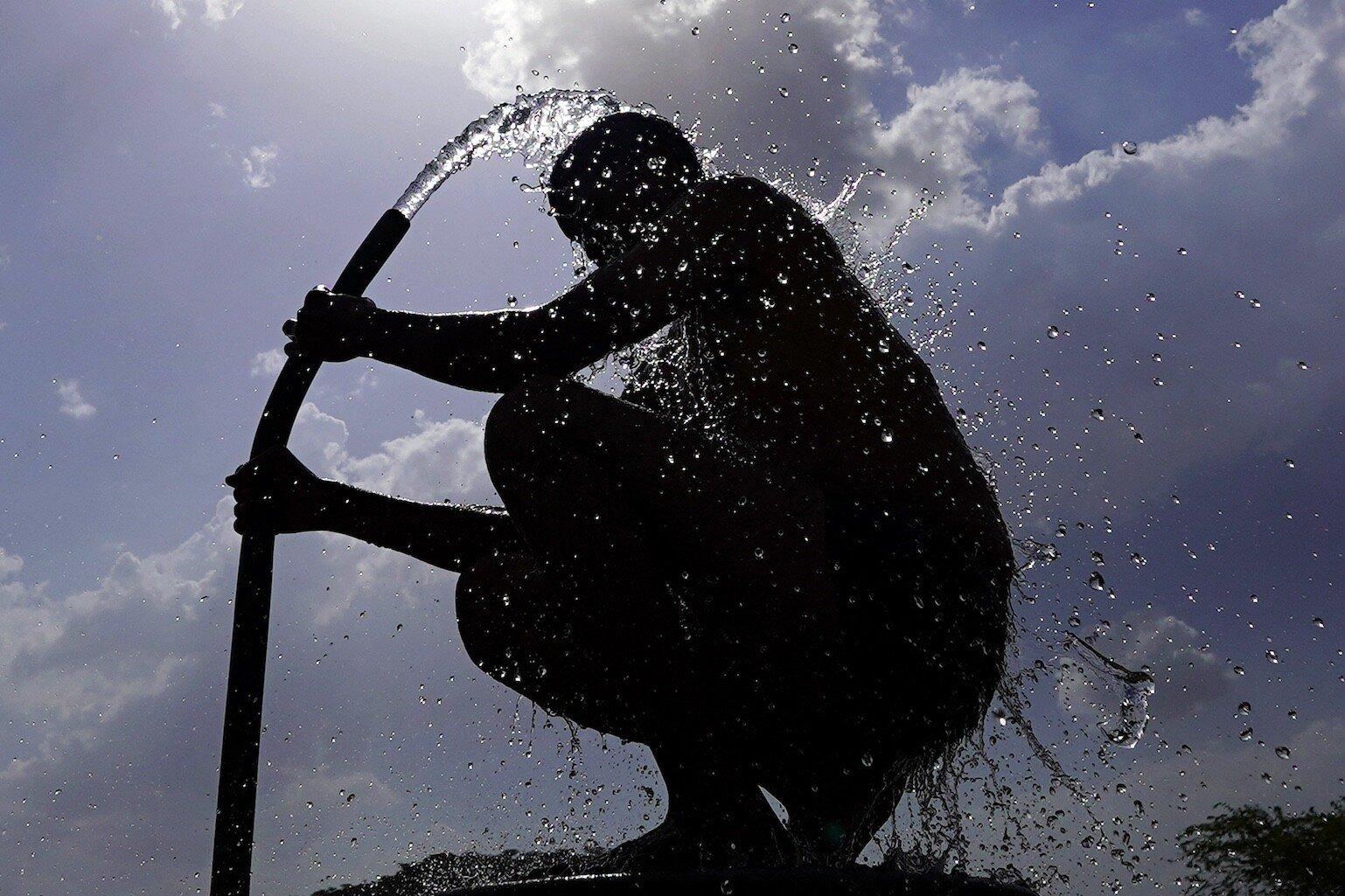
Deadly heatwaves around the world are being made more likely by the climate crisis. Here, we look at how extreme heat impacts health, who is most at risk – and what can be done to help.
Credit:
Licence: All Rights ReservedHIMANSHU SHARMA/AFP via Getty Images

Simge Eva Dogan
7-minute read
Simge Eva Dogan
7-minute read
Elapsed time:00:00Total time:00:00
Summary
Explained: the health effects of extreme heat on the body
- The climate crisis is intensifying extreme heat and making it more frequent, threatening the health of billions of people.
- Extreme heat can cause illnesses and death, and some people are more at risk due to physiological and systemic factors.
- Researchers and world leaders need to develop and implement evidence-based interventions to adapt to heat and reduce the worst of its impacts.
Pressing play on the video above will set a third-party cookie. Please read our cookie policy for more information.
This short film, developed for COP30, Brazil, shows the impact of extreme heat on workers in India, Spain, Tanzania and the UK.
The world is experiencing record-breaking heat, with 2023-2025 seeing the highest global temperatures in over 100,000 years.
From Spain to Finland to Iraq – many countries have been hit by prolonged periods of dangerous heat in 2025.
Extreme heat, or heatwaves, are not a new threat but research shows that climate change is making them more frequent, intense and longer-lasting. On average, 84% of the heatwave days experienced each year between 2020 and 2024 would not have occurred without climate change.
Rising temperatures, combined with the growing size of vulnerable populations, have driven a 63% increase in heat-related deaths since the 1990s, with an estimated average of 546,000 deaths per year between 2012 and 2021.
It’s putting the health of billions of people at risk, and these conditions will continue to worsen until we reach net-zero emissions.
Examples of recent heatwaves
- India, June 2024: more than 40,000 suspected cases of heat stroke and 100 deaths were recorded in one of the longest heatwaves reported.
- India and Pakistan, April 2025: hundreds of millions of civilians were placed under extreme thermal stress and power demands for air conditioning systems caused extended power outages.
- Iraq, July 2025: on 28 July, Iraqi cities filled 11 of the top 15 spots for the highest temperatures globally. Basra recorded 53.9°C (129°F), while Baghdad hit an all-time record of 51.7°C (125°F)
- Italy, July 2025: more than half of the country’s regions introduced bans on outdoor work during the hottest parts of the day yet an estimated 4,597 heat related deaths were still recorded over the summer.
- Spain, August 2025: temperatures exceeded 45°C during a 16 day heatwave that contributed to Spain’s hottest ever recorded summer prompting the government to create a climate shelter network ahead of summer 2026.
What are the health impacts of extreme heat?
The human body can only tolerate so much heat and works to regulate our core temperature to about 37°C through sweat evaporation. But, in extreme temperatures, the body can take in more heat than it can release, leading to heat stress. That means it has to work harder to keep internal temperatures down, which can push organs to their limits.
The health effects of extreme heat include dizziness, fainting, sleep disruption, breathing difficulties, heat exhaustion, heart attacks, kidney damage and negative impacts on pregnancies.
In severe cases, extreme heat can lead to heatstroke (when the body temperature rises above 40°C), organ failure and even death.
It can contribute to mental health conditions too, such as post-traumatic stress disorder (PTSD), anxiety and depression, but more research is needed to understand the causes and severity of this, particularly in low- and middle-income countries.
There are also indirect health impacts of extreme heat – including an increased risk of accidents, exposure to air pollution, food insecurity and the rising spread of some infectious diseases.

The climate crisis is intensifying extreme heat and making it more frequent, putting the health of billions of people at risk. Here are some of the ways it can affect the human body.
How does extreme heat affect health?
Credit:
Licence: Attribution CC BYWellcome
Who is most at risk of the health impacts of extreme heat?
Everyone is at risk of the health impacts of extreme heat, but some people are more vulnerable. This includes:
- Pregnant people: pregnancy can make individuals more susceptible to heat-related illnesses because the body has to work harder to cool down both the pregnant person and their fetus. Adverse pregnancy outcomes, like preterm birth, stillbirth and low birth weight, have also been associated with extreme heat.
- Infants: young children can be vulnerable to extreme heat because they sweat less than adults and can’t regulate their body temperature as well as adults. Children are also less able to regulate their behaviour in response to heat, for example knowing when they should seek shade.
- Older adults: people over 65 have reduced sweating ability and struggle to cool themselves in extreme heat. Rising temperatures are increasing heat-related deaths among people over 65 by 167%.
- People with underlying health conditions: studies have shown that heatwaves are more dangerous for people with cardiovascular or respiratory diseases. Certain medications can also increase an individual’s risk of negative health effects in extreme heat. For example, antidepressants can interfere with the body's ability to regulate temperature.
As well as physiological risks, systemic factors can influence a person’s vulnerability to extreme heat too. How people live and where they live affects their level of exposure to high temperatures:
Income
Individuals on low or no income may lack access to cooling in their homes, while those in informal work often lose income if they are unable to work. At the same time, heat exposure is already reducing labour productivity, with associated income losses estimated at approximately US$1.09 trillion in 2024.
Occupation
Many people work outdoors where they are exposed to hours of heat, or work in buildings without access to cooling devices. More than one-third of the global workforce, around 1.2 billion people, are exposed to heat risk at work each year, particularly in sectors such as agriculture and construction, with consequences not only for health but also for productivity and livelihoods.
Urban heat islands
More than half of the world’s population live in cities where they face worsened heat extremes than in surrounding areas. Heat in cities is intensified by the insulation from closely constructed industrial buildings and the energy created by high numbers of people and transport, as well as urban layout. This is known as the ‘urban heat island’ effect.
Structural racism
Systemic oppression can increase the risk of the health effects of extreme heat. Several underlying inequalities can lead to people of colour being more likely to live in urban heat islands, work in hot environments or have lower incomes. Data from the US demonstrates higher heat-related mortality rates per 100,000 people among Indigenous, Black and Hispanic populations compared to white populations.
While the health effects of heat are being felt across continents, most of the research on heat and health is based in high-income countries. More data is needed on the impacts of heat in low-income countries, which are the hardest hit by the impacts of climate change even though they contribute the least to it. They also have the least capacity and resources to implement solutions to adapt to extreme heat and protect people's health.
The burden of this crisis disproportionately falls on vulnerable populations in the Global South. Over the last half-century, more than 90% of deaths caused by extreme weather events – including extreme heat – occurred in Global South countries.
What actions can help reduce the health impacts of extreme heat?
Researchers worldwide are developing solutions that can help us prevent heat-related illnesses and deaths.
At Wellcome, we’re funding some of this important work through our Climate and Health programme. We want to find evidence-based solutions that work beyond laboratory conditions and in the real world. Some examples of heat adaptation research we’re funding include:
- whether trees can protect agricultural workers in Tanzania from the health risks of heat exposure
- if a heat-health action plan can help people in Mexico understand and manage the effects of heat
- how to reduce the health risks of extreme heat on pregnant women and newborns in South Africa and Zimbabwe
But research alone on how heat affects health and the interventions that can help is not enough. Scientific evidence needs to be used to influence and change policies.
In July 2024, in response to the rapid rise in the scale, intensity, frequency and duration of extreme heat, UN Secretary-General António Guterres called for urgent international cooperation to address extreme heat in four critical areas:
- Caring for the vulnerable
- Protecting workers
- Boosting resilience of economies and societies using data and science
- Limiting temperature rise to 1.5°C by phasing out fossil fuels and scaling up investment in renewable energy.
It’s crucial that world leaders invest in and implement heat adaptation solutions that prioritise health, alongside climate mitigation policies that reduce or prevent greenhouse gas emissions and limit temperature rise. And, as climate risks continue to rise, the cost and challenges of acting now are lower than in the future.
Although many of the impacts of global heating are now irreversible, with more urgent, collective action, the world can prevent the worst of its impacts and protect people’s health.
We’re funding vital research into the impact climate change has on human health around the world, at national, regional and global levels. Explore our current funding call:
Advancing climate mitigation solutions with health co-benefits in low- and middle-income countries
Tags