Supporting the next generation of discovery researchers in low- and middle- income countries
Breakthroughs in health research can emerge from anywhere. That is why Wellcome’s Discovery Research programme is committed to supporting bold ideas from a global research community and ensuring that researchers have opportunities to contribute to discovery research.

Morag Foreman
5-minute read
Morag Foreman
5-minute read

The first MODRA cohort gathers for a workshop in Sanur, Bali, December 2025
Credit:
Dr. Vinh Nguyen Quang - MODRA Leader, Vietnam, Oxford University Clinical Research Unit (OUCRU)
Across Wellcome’s three Discovery Research schemes, 93 programmes designed and led by researchers based in low- or middle-income countries (LMICs) have been funded, representing a total investment of £172 million in LMIC-led research since 2021. Wellcome has also supported an additional 97 LMIC-based co-investigators on team awards, alongside PhD students, postdoctoral researchers and technical specialists who are critical to delivering research and building thriving research ecosystems.
However, supporting researchers requires more than funding the research itself. It also means understanding the barriers that can limit access to opportunities and identifying practical ways to address them.
Equity isn’t just about who gets funded. It’s about creating environments where diverse ideas can thrive.
Understanding the barriers
Ensuring researchers around the world have equitable opportunities to contribute to and benefit from research is central to Wellcome’s mission. Yet, researchers in LMICs often face barriers that can make it more difficult to access funding, build networks and develop in their research careers.
To better understand how Discovery Research funding can be made more accessible, Wellcome commissioned an independent assessment of its support for LMIC-based researchers.
The report, Supporting Research in Low- and Middle-Income Countries: A summary of barriers and recommendations for a more equitable future of research, examines barriers LMIC-based researchers face in applying to international funding schemes and presents a guide to improve access and outcomes in the future.
It highlights a number of systemic challenges faced by LMIC-based applicants. These include differences in research environments, institutional capacity, career structures, access to mentorship and familiarity with the grant application processes.
The report also outlines practical recommendations to improve access to funding and funding outcomes, including:
- ensuring funding guidance clear and accessible
- reviewing eligibility criteria to ensure they are appropriate for diverse research and career contexts
- improving support for interviews, feedback and resubmissions
- showcasing successful LMIC-led projects
- increasing access to grant-writing support, mentorship and application advice
We are grateful to the many researchers, institutional partners and colleagues who shared their experiences and perspectives to inform this work. Their feedback has helped create a richer understanding of the challenges facing researchers in LMICs, as well as the strengths, resilience and innovation that exist across these research communities.
Supporting researchers where they are
While researchers around the world share a commitment to advancing knowledge, the environments in which they work vary significantly. Access to funding opportunities, institutional support, mentorship and research development differs considerably between regions and institutions.
To help address these challenges, Wellcome launched three pilot Research Support Hubs in 2024. Based in Malawi, Kenya, and across Vietnam and Thailand, the hubs are designed to strengthen support for early- and mid-career researchers through locally led initiatives that respond to regional needs and priorities. Following a successful pilot, the Research Support Hubs are already making a meaningful difference to researchers’ careers and have now been extended for a further two years.
A key feature of the programme is its focus on mentorship. Mentoring provides researchers with guidance, encouragement and practical advice from more experienced colleagues, helping them navigate challenges, build confidence and make informed career decisions. Through mentoring, researchers can gain valuable insights into grant writing, publishing, research leadership, stakeholder engagement, building new collaborations and managing teams. It also enables the sharing of knowledge and experiences that can be difficult to gain through formal training alone.
Alongside mentoring, the Research Support Hubs provide opportunities for seed funding. These small grants enable researchers to refine ideas, develop grantsmanship skills, generate pilot data, and build valuable collaborations. The process of applying for seed funding also provides important experience in grant writing, budgeting, and project development. In addition, seed funding can support travel to meet collaborators and access specialist training opportunities, helping researchers be more experienced and competitive when applying for larger research grants in the future.
Three hubs, tailored approaches
United by a shared goal of supporting researchers, each hub has developed its own local-led approaches.
MORU-OUCRU Discovery Research Academy (MODRA)
The MORU-OUCRU Discovery Research Academy (MODRA) is based at the Oxford University Clinical Research Unit (OUCRU) and the Mahidol Oxford Tropical Medicine Research Unit (MORU), with a particular focus on global health and infectious diseases.
The programme brings together a cohort of early- and mid-career postdoctoral researchers from across an extensive network of Asian LMICs. Participants receive research seed funding, mentoring and workshops focused on grant writing and researcher development.
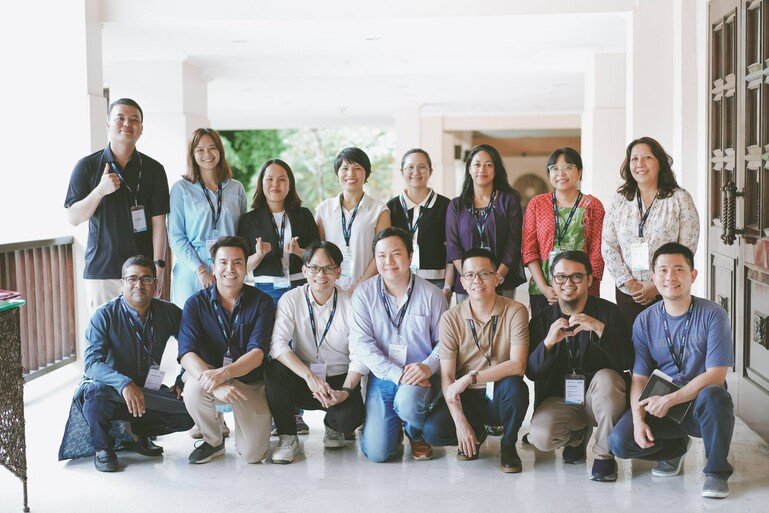
The first MODRA cohort gathers for a group photo at their final workshop and graduation in Sanur, Bali, December 2025.
Credit:
Dr. Vinh Nguyen Quang - MODRA Leader, Vietnam, Oxford University Clinical Research Unit (OUCRU)
Discovery Research Support Hub (drsh)
Based in Malawi, the Discovery Research Support Hub (drsh) provides a range of support for early- and mid-career researchers, including fellowship catalyst awards that offer pre-fellowship support, flexible seed grants to strengthen applications, grant-writing retreats and online skills sessions.
Through this combination of practical funding and development support, the hub helps researchers strengthen their competitiveness for future funding opportunities.
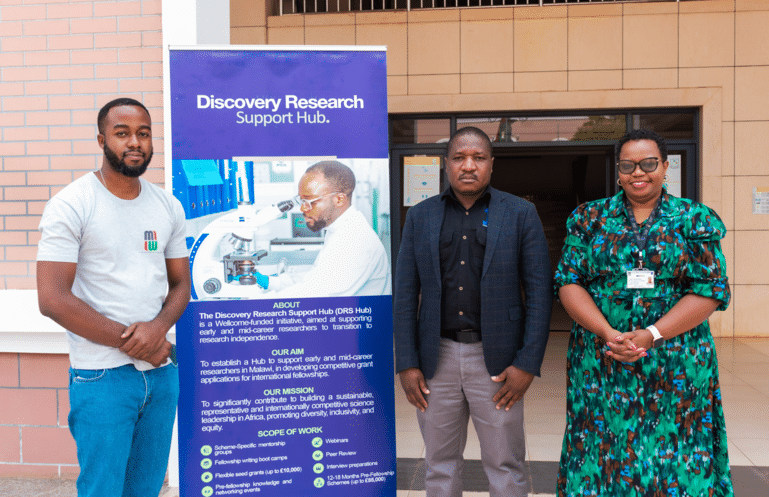
Discovery Research Support Hub leadership at an event.
Afrique Research Support Hub (ARSH)
ARSH is a capacity-strengthening initiative designed to establish regional capability to train, mentor and support African researchers in securing research grants from international funders. ARSH has established a network of regional satellite hubs across East, West, Central and Southern Africa. The programme offers mentorship and peer-support networks, regional grant-writing workshops, competitive seed funding and access to support in English, Portuguese and French.
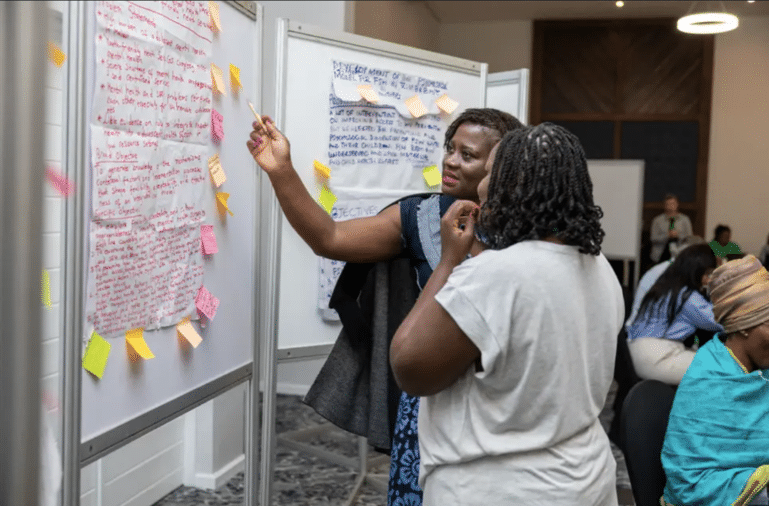
Afrique Research Support Hub: Participants discussing their grant ideas at an ARSH cohort workshop.
Looking ahead
Ensuring researchers around the world have equitable opportunities to contribute to and benefit from research remains central to Wellcome’s mission. The Research Support Hubs are one part of a broader effort to create the conditions in which talented researchers around the world can thrive and promising ideas can succeed.
We have both the opportunity and the responsibility to address these inequities, test new approaches, and encourage change across the research ecosystem. No single intervention will eliminate funding disparities, but targeted reforms, shared learning and sustained investment in capacity building can widen access to opportunity and strengthen research excellence.
While the challenges ahead are significant, there is growing momentum for change across the sector. We are committed to turning evidence into action, strengthening our own practices, and working with partners to catalyse broader, lasting progress.
Together, we can help build a research system that is more inclusive, more representative, and better equipped to deliver the discoveries that will improve health for everyone.
Morag Foreman
Interim Director of Response Mode Awards
Wellcome