The link between climate change and infectious disease
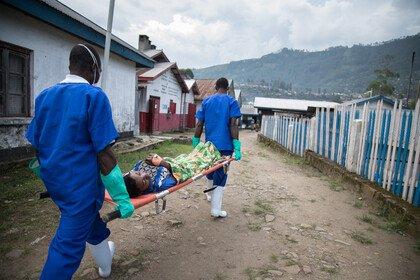
A failure to slow global warming is providing many deadly diseases with the opportunity to expand their reach, putting the health of millions of people at risk. Read on to understand more.
For many foodborne diseases, the environment plays an important role in transmission. As climate change increasingly affects global temperatures and weather events, the risks of transmission will increase. Read on to understand why, and what can be done to limit these risks.

Tang Dehong / VCG via Getty Images
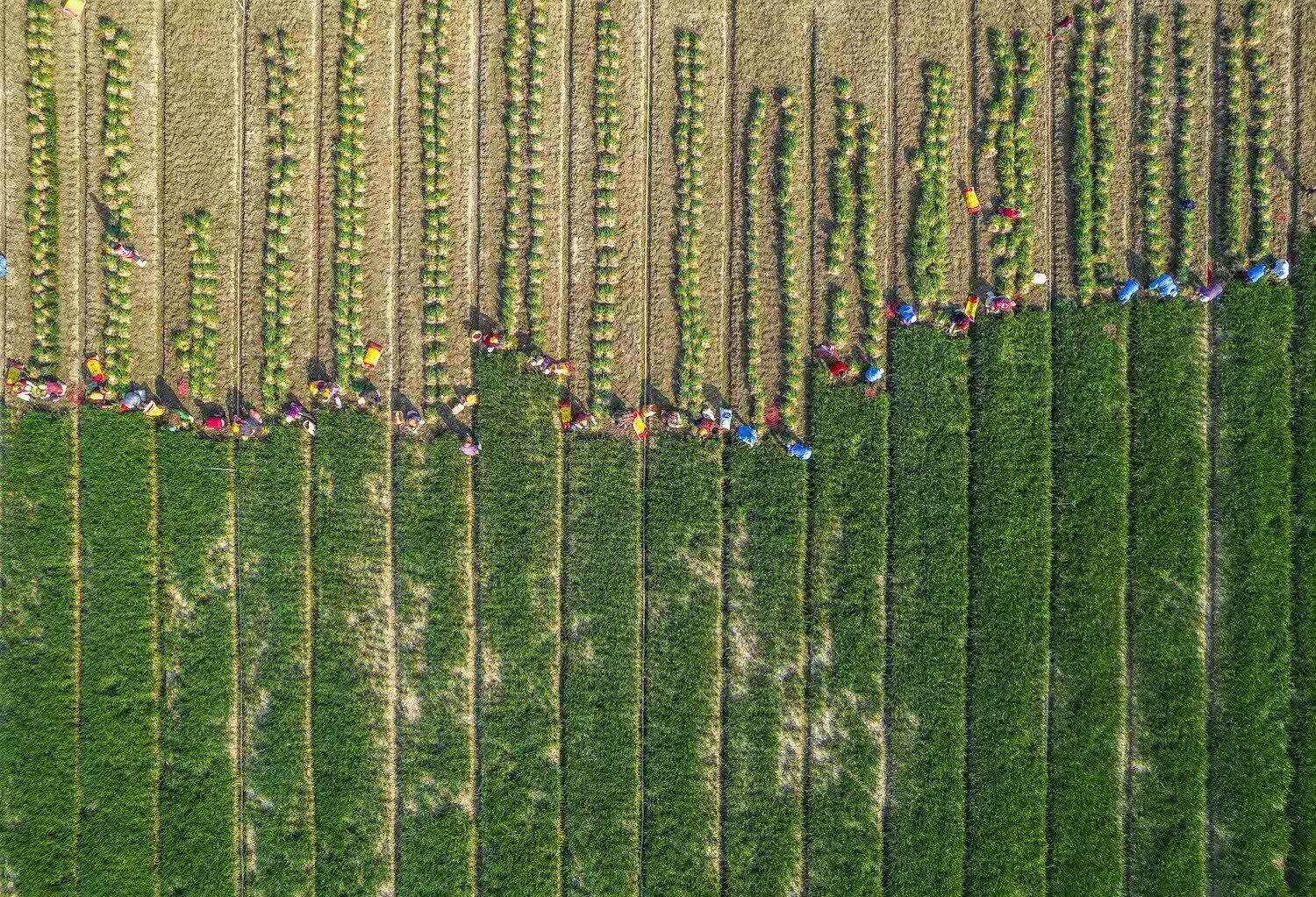
Aerial view of farmers harvesting scallions in a field in Xinghua, Taizhou City, Jiangsu Province of China.
Foodborne diseases are caused by eating foods contaminated with either bacteria, viruses or parasites that can cause infectious diseases. Other contaminants include chemicals such as mycotoxins, pesticide residues or heavy metals that can cause long term health conditions.
Food can become contaminated at any stage of the food supply chain. This could happen during food production from polluted water, soil or air. It could also be due to unsafe food storage and preparation in the marketplace or home. For example, eating undercooked or parasite-infected meat and fish, or raw fruit and vegetables contaminated with faeces from an infected animal or person are common sources. This is especially the case in low- and middle-income countries where controls are not as strong.
The World Health Organization (WHO) estimates there are 866 million cases of foodborne diseases and 1.52 million associated deaths each year. And climate change is increasing the risk.
Some common types of foodborne diseases and hazards include:
These diseases have symptoms that can be short-lived or long-term, ranging in their severity. Symptoms include diarrhea, vomiting, stomach cramps and fever. In more severe cases, foodborne illness can cause life-threatening conditions such as kidney failure, neurological disorders, cancers or chronic arthritis.
The terms foodborne disease and food poisoning are often used interchangeably. However, they have different meanings.
Food poisoning is a subtype of foodborne disease caused by eating food that contains certain toxins released by pathogens, rather than the pathogen itself. A common example is botulism – an illness caused by botulinum toxins.
The environment plays an important role in the increase of hazards and transmission of many pathogens. Therefore, changing environmental conditions, such as the temperature or precipitation, may alter the geographical distribution, diversity, levels and seasonality of the contaminant in the natural and farm environment. This ultimately has consequences for contaminant levels in food.
The climate variables that most influence foodborne illness include:

A failure to slow global warming is providing many deadly diseases with the opportunity to expand their reach, putting the health of millions of people at risk. Read on to understand more.
In some countries, climate change may lead to an increased growing season. This could see greater use of outdoor pasture, increasing the chances of pathogens, such as salmonella being transmitted from the environment via animals.
Other farming practices may also need to adapt to a changing climate. This can introduce additional risks of soil or food contamination. For example, human or animal faeces used as fertiliser to encourage crop growth can contaminate the soil and introduce pathogens into the food cycle.
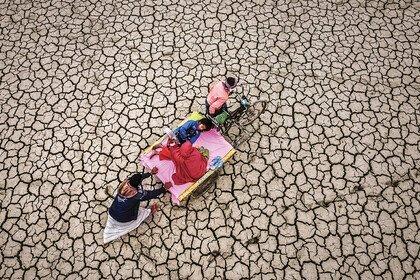
In locations where droughts become more frequent, there may be an increased demand for irrigation water to support agriculture. The quality of this water – both to support crop growth and to clean produce – is critical to avoid the risk of disease outbreaks. In the United States, poor quality irrigation water has been identified as a potential source of contamination in several E. coli disease outbreaks involving leafy green produce.
Salmonella infection, one of the most widespread foodborne illnesses, usually occurs through eating foods contaminated with animal faeces. Studies conducted across the world have shown that Salmonella outbreaks are strongly associated with temperature increases as higher temperatures enable more rapid replication of the bacteria that causes Salmonella.
Marine systems may also be at risk. Warming oceans are leading to increases in a bacteria called Vibrio, which can cause fatal illnesses in people who eat shellfish or swim in ocean waters. Vibrio survives in warmer water. It collects in shellfish such as oysters when they filter water while feeding and then makes people ill when they eat the shellfish raw. It can also cause grave infections if it gets into a wound or a nick in the skin.
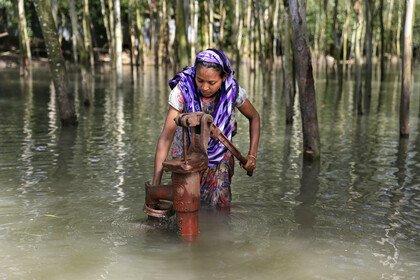
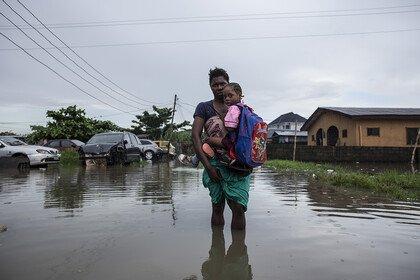
Extreme weather events also impact food safety. In 2017, flooding associated with Hurricane Irma led the US Food and Drug Administration to warn against the consumption of fresh produce that had been in contact with floodwater.
Climate change is increasing the risk of foodborne diseases. The sooner we act to mitigate the impacts of climate change, the better off we’ll be in the future, with huge potential benefits in transitioning from fossil fuels to clean, renewable energy, as well as in transitioning food systems to become more sustainable.
But mitigation alone will not be enough. There are other actions we must take to adapt to the risks: